

How resorts and hotels can design websites that mirror the exclusivity and atmosphere of their physical spaces.
Guests Don’t Just Browse—They Experience
Before booking, guests are already imagining.
They picture the view from the balcony, the sound of the lobby, the warmth of light through the windows.
A hospitality website should create that same anticipation. When design, tone, and pacing reflect the property, visitors begin to feel part of it before they ever arrive.
Design That Feels Like Place
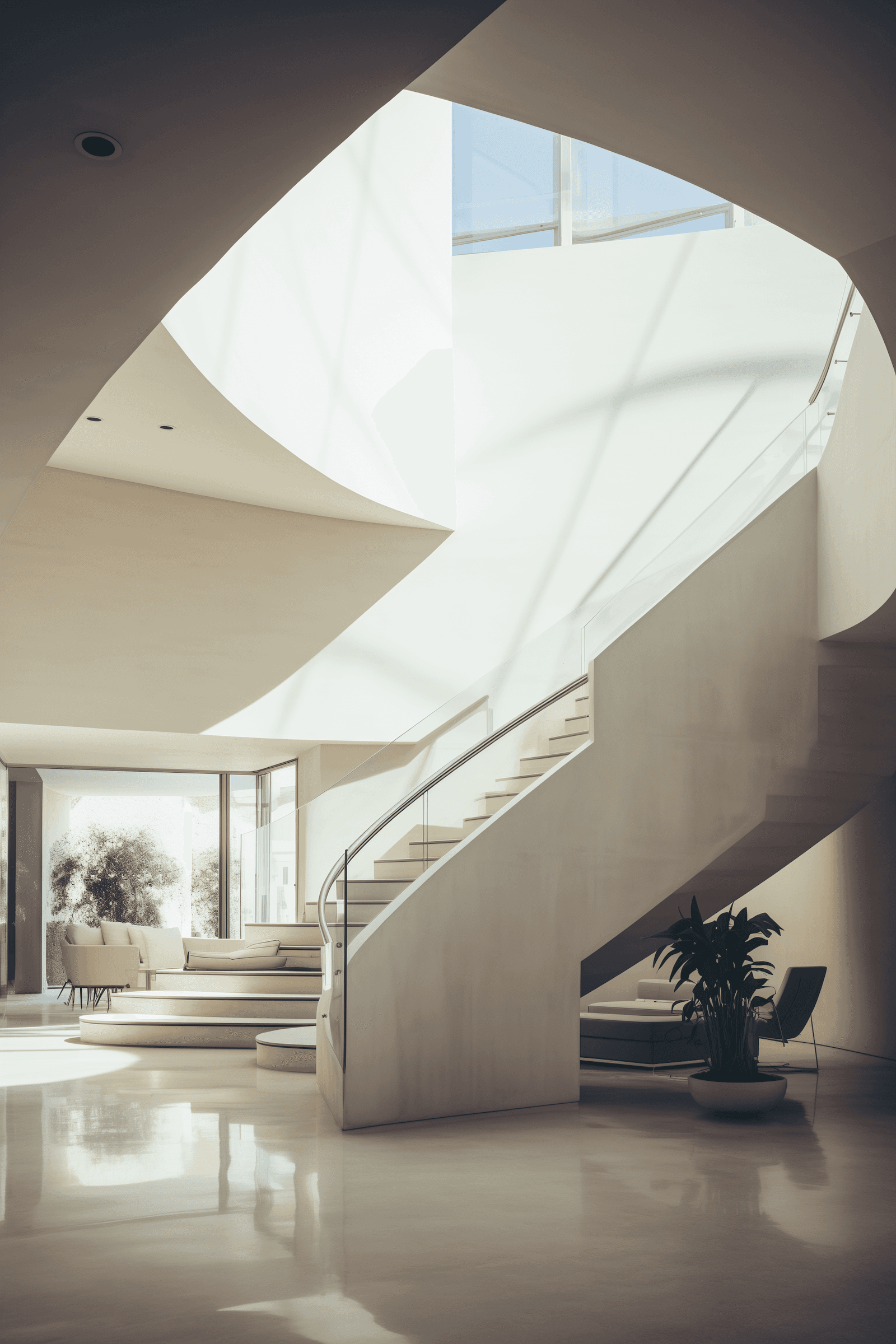
A hotel’s digital presence should express the same emotion as its architecture. The goal isn’t to describe but to evoke.
Clean layouts, cinematic visuals, and calm transitions mirror the atmosphere of real-world hospitality. Authentic photography and natural colour tones do more than show spaces—they carry emotion.
Adding a Personal Touch
Hospitality is personal, and a website should feel the same. Guests should sense care in how information is revealed and how easy it is to explore.
Interactive tools can help:
Smart booking flows that remember user preferences
Guided visual tours that replace static galleries
When navigation feels intuitive, it mirrors how great service feels effortless.
Turning Atmosphere Into Results
We worked with a coastal resort whose site looked polished but lacked warmth. The redesign focused on emotion rather than decoration.
Real moments replaced stock photos. Soft transitions replaced heavy animations. Muted tones created calm.
After launch, direct bookings grew by 22%, and visitors stayed 40% longer. Emotion became performance.
Where Brands Often Slip
Many hotels still rely on brochure-style websites—dense, static, and over-explained.
Common issues:
Stock visuals that feel disconnected
Text that informs but doesn’t inspire
Interfaces that focus on data, not emotion
Luxury isn’t about showing more—it’s about showing just enough.
What Guests Remember
Every detail on your site tells a story—the typography, the pacing, the silence between sections. When those details feel intentional, visitors recognise the same quality that defines your hospitality.
Your website becomes more than a marketing tool. It becomes the first step in your guest experience.
Guests Don’t Just Browse—They Experience
Before booking, guests are already imagining.
They picture the view from the balcony, the sound of the lobby, the warmth of light through the windows.
A hospitality website should create that same anticipation. When design, tone, and pacing reflect the property, visitors begin to feel part of it before they ever arrive.
Design That Feels Like Place
A hotel’s digital presence should express the same emotion as its architecture. The goal isn’t to describe but to evoke.
Clean layouts, cinematic visuals, and calm transitions mirror the atmosphere of real-world hospitality. Authentic photography and natural colour tones do more than show spaces—they carry emotion.
Adding a Personal Touch
Hospitality is personal, and a website should feel the same. Guests should sense care in how information is revealed and how easy it is to explore.
Interactive tools can help:
Smart booking flows that remember user preferences
Guided visual tours that replace static galleries
When navigation feels intuitive, it mirrors how great service feels effortless.
Turning Atmosphere Into Results
We worked with a coastal resort whose site looked polished but lacked warmth. The redesign focused on emotion rather than decoration.
Real moments replaced stock photos. Soft transitions replaced heavy animations. Muted tones created calm.
After launch, direct bookings grew by 22%, and visitors stayed 40% longer. Emotion became performance.
Where Brands Often Slip
Many hotels still rely on brochure-style websites—dense, static, and over-explained.
Common issues:
Stock visuals that feel disconnected
Text that informs but doesn’t inspire
Interfaces that focus on data, not emotion
Luxury isn’t about showing more—it’s about showing just enough.
What Guests Remember
Every detail on your site tells a story—the typography, the pacing, the silence between sections. When those details feel intentional, visitors recognise the same quality that defines your hospitality.
Your website becomes more than a marketing tool. It becomes the first step in your guest experience.